

Ice and Water Shield: Your Home’s Protective Layer
By: Victors Home Solutions
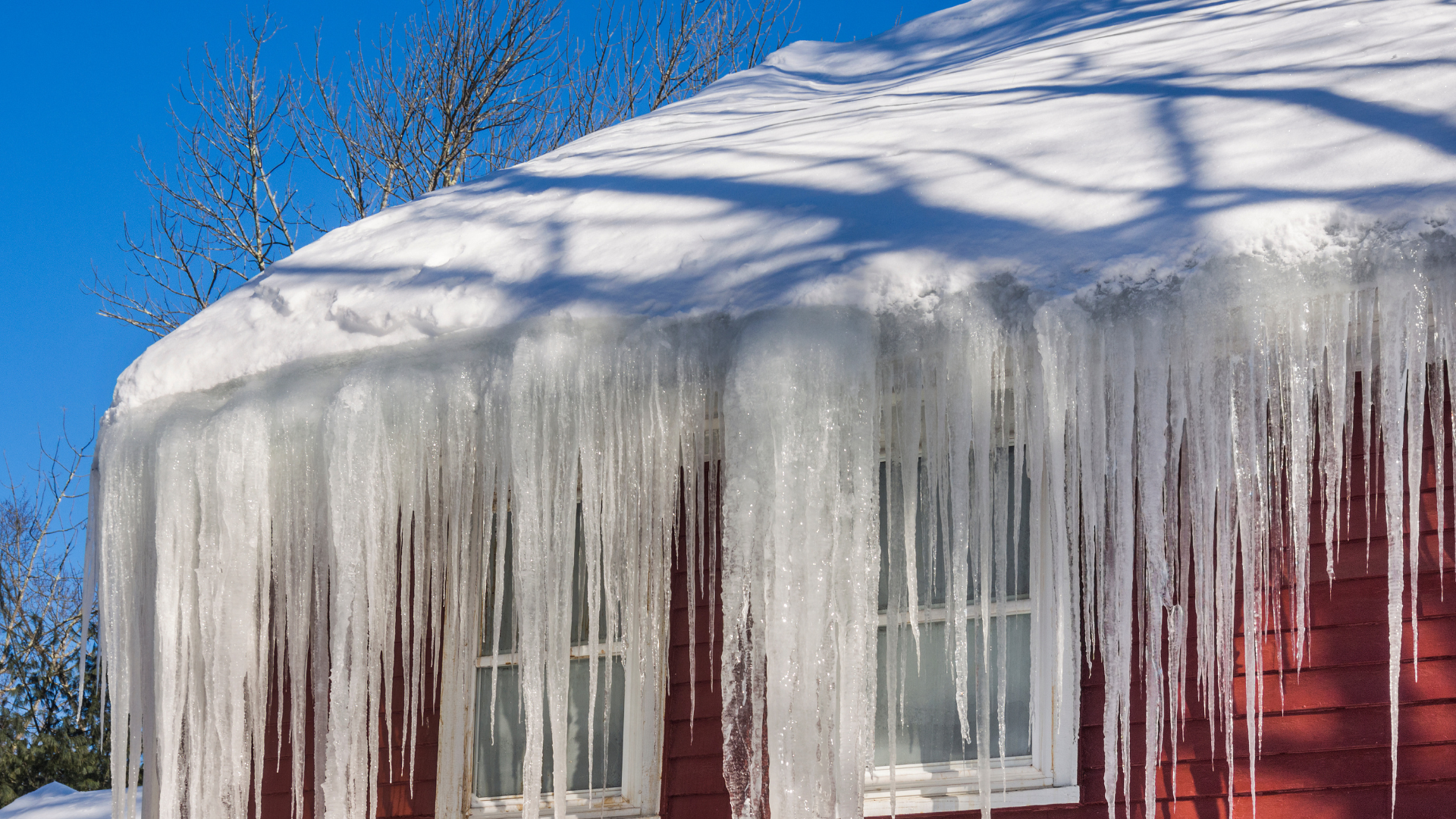
Your home’s roof is your first line of defense against harsh weather. Most homeowners focus on shingles – the visible layer that defines your roof’s look and style. But what truly protects your home from winter’s misery (and spring’s melting snow) isn’t always visible: it’s the ice- and water-shield membrane installed beneath. This under layer can make the difference between a cozy, dry home and costly water damage.
Understanding What It Is
The ice and water shield is a self-adhering, waterproof membrane (often made of modified bitumen or rubberized asphalt) that bonds directly to the roof deck.
Because it sticks down firmly (not just nailed or stapled), it forms a continuous waterproof barrier. When shingles are nailed over it, the membrane self-seals around each nail, eliminating many of the leak points that traditional underlayments (like felt) leave unprotected.
Where and Why It’s Installed
Roofers typically install ice & water shield in the areas most vulnerable to leaks and water infiltration:
- Along eaves and roof edges (overhangs), where melting snow and ice dams most often form.
- In roof valleys, where two slopes meet and water tends to concentrate as snow melts.
- Around roof penetration points: chimneys, skylights, vents, dormers — because flashing alone can sometimes fail or shift, but the membrane adds an extra layer of protection.
- On low-slope roof sections (commonly under roughly 4:12 pitch), where water drainage is slower and water/ice accumulation is more likely.
Because these zones are where ice dams and water infiltration most frequently start, the shield addresses the weakest links in the roof’s water defense.
Types of Ice and Water Shield Protection
Different areas of your roof need different types of protection. Here’s what you need to know:
- Granular/Sand Shield: A thin layer perfect for roof valleys
- Smooth Shield: Ideal for roofs with lower slopes
- High-Heat Shield: Specifically designed for metal, cedar shake, and slate roofs
Why Choosing the Right Underlayment — and Insisting on It — Is Smart
- Compared to standard underlayment (e.g., felt or synthetic), ice & water shield offers a moisture-tight, waterproof, self-adhering barrier rather than a mere water-resistant layer.
- For homes in climates with snow, ice, and freeze-thaw cycles, likes ours across Ohio, Michigan, and Indiana, the shield substantially reduces the risk of leaks, structural wood rot, mold growth, and costly interior damage.
- Given the added protection, it often pays off: a relatively modest investment upfront can avoid major repair or replacement costs later.
Summary
While shingles and flashing get the spotlight when you think of roofing, the real hero — especially in cold climates — is the ice- and water shield underneath. By offering a fully sealed, waterproof barrier beneath vulnerable roof zones, sealing around fasteners, and acting as a fail-safe if shingles or flashing are compromised, the membrane prevents leaks, ice-dam damage, and long-term structural problems.
If you’re getting a new roof, or evaluating a roof’s condition, skip the bargain-basement underlayment and insist on a high-quality ice & water shield in all key areas for your home’s protection winter after winter.
Trust Victors Home Solutions for Expert Roofing Protection
For over a decade, Victors Home Solutions has been the leading trusted name in roofing across the Midwest. Our experienced team understands the unique challenges our climate presents and how to protect your home properly. Whether you need a roof replacement or have questions about ice and water shield installation, we’re here to help.
Don’t wait for water damage to compromise your home’s integrity. Contact Victors Home Solutions today for expert roofing services and proper ice and water shield installation. Protect your home with the region’s most trusted roofing professionals.
Request a Free Estimate
"*" indicates required fields