


Peeling Back the Layers: A Closer Look at Roof Decking
By: Victors Home Solutions
Have you ever heard the term “roof decking” and wondered what it meant? Most homeowners lack an understanding of roof decking (i.e., roof sheathing). This knowledge gap results from the roofing industry’s failure to educate homeowners adequately about the importance of installing and maintaining quality roof decking.
What Is Roof Decking?
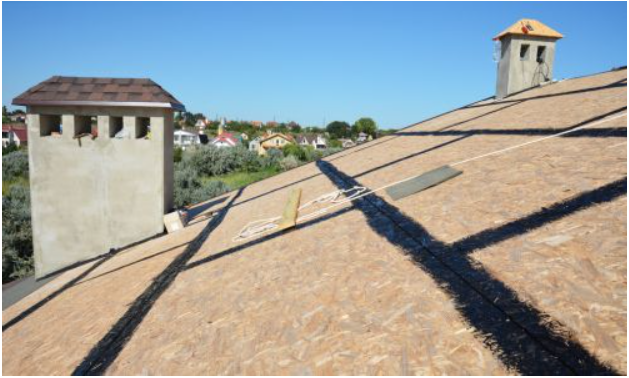
The average homeowner rarely considers what lies below the exterior roofing surface (most commonly, asphalt shingles). Sandwiched between the structural components of a roof and the waterproofing materials just below the exterior roofing surface, the roof deck supports the outer layers while providing essential stability & load-bearing capacity to your roofing system. By design, decking is strong and resilient.
The Two Primary Types Of Roof Decking
A wide variety of construction materials exist to create a suitable roof deck. Manufacturers routinely forge decking from wood, concrete, metal, cement, or steel. The material a builder chooses for a given home depends in considerable measure on the weight the roof deck needs to withstand. Other factors worth weighing include typical weather conditions in the region and the existence of unique features.
Many options exist when choosing a roof deck for residential homes. Typically, a building contractor chooses plywood/OSB (oriented strand board) sheathing or, much less commonly, plank sheathing.
Plank Sheathing Or Planking
Before plywood existed, plank decking was the primary construction method used on homes. The planking process involves installing and connecting a series of elongated rectangular wooden boards to form the roof deck. The longer it ages, the more likely plank sheathing will present obstructive challenges to homeowners. One of the benefits afforded to homeowners in using planks was the ability to repair & replace small sections of the roof if it became damaged. However, there are various reasons why it is no longer considered a practical sheathing material. Some of these issues include warping, splitting, and leaking. Most new home construction does not utilize plank sheathing.
Plywood Or OSB (Oriented Strand Board) Sheathing
Sheet decking typically consists of plywood or OSB panels attached directly to the rafters. Building contractors now prefer this option because of this sheathing’s rigidity and even weight distribution. Manufacturers sometimes include a layer of polyurethane foam between the sheet layers to offer better temperature control, absorb moisture, reduce weathering, and repel unwelcome pests. Almost all new home construction uses plywood or OSB.
Comparing And Contrasting Plywood And OSB Sheathing
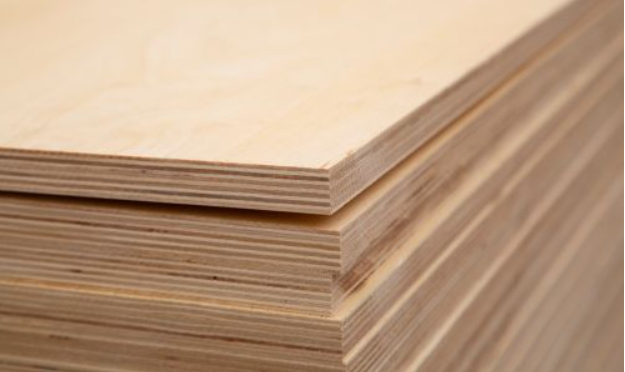
Manufacturers construct plywood decking from many sheets of interwoven wood. Consequently, plywood offers an inexpensive alternative to other decking materials. Plywood possesses a thickness that reduces expansion and contraction over time. Thus, plywood strongly resists warping. Given the extreme density of plywood, rot, water buildup, and moisture intrusion are almost nonexistent.
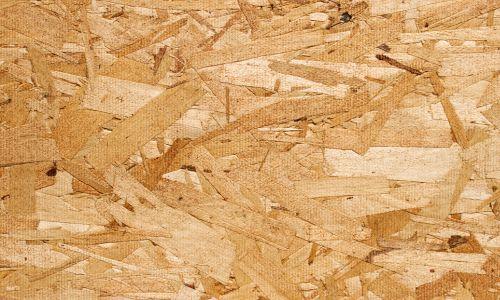
Today, OSB stands as the most prevalent roof decking in new home construction. Utilizing intertwining wood strands (i.e., chipboard) and waterproof resin, OSB offers ideal waterproofing and moisture resistance. This popular roof decking material typically remains an even more affordable option than plywood. Although slightly less durable than plywood, OSB provides straightforward installation and repair when necessary.
For all your roofing needs, including a thorough evaluation of your roof sheathing to identify pertinent areas necessitating resolution, contact Victors Home Solutions in Michigan today to schedule a no-hassle appointment.