


The Parts Of A Gutter System
By: Victors Home Solutions
A Handbook for the Parts of a Gutter System
Have you ever taken a look at the inside of your gutters? Shockingly, many people haven’t. It’s one of those easily overlooked facets of owning a house. As the old saying goes, out of sight, out of mind. So with that knowledge, did you know that your gutters are an important part of how your house functions? Did you know that the primary function of a gutter system is to keep your house from experiencing water damage?
Let’s read about what exactly gutters are for, what parts a gutter system consists of, and gain a fundamental understanding of each of those parts’ purpose.
What are Gutters for?
Gutters can be described as channels found at the edges of roofs. It might sound self explanatory, because anyone who has lived in a house just walks by them everyday. The thing about gutters is that they serve a much deeper purpose than what it seems on a surface level. Without gutters, when it rains or snow melts, water could fall directly from the roof onto the side of a home. This leads to puddles, mud, or even potential damage to a home’s foundation. Gutters have the job of directing water into the parts of the gutter system through the downspouts which channels the water away from a home. This keeps the home dry and increases the lifespan of the property greatly. We all know of a time someone has had water in their home.

What Parts are there in a Gutter System?
Here’s a list of names of parts of a gutter system:
- Seamless Gutter
- Gutter Apron
- Downspout
- End Cap
- Elbow
- Gutter Guard
- Gutter Drop
- Gutter Hanger
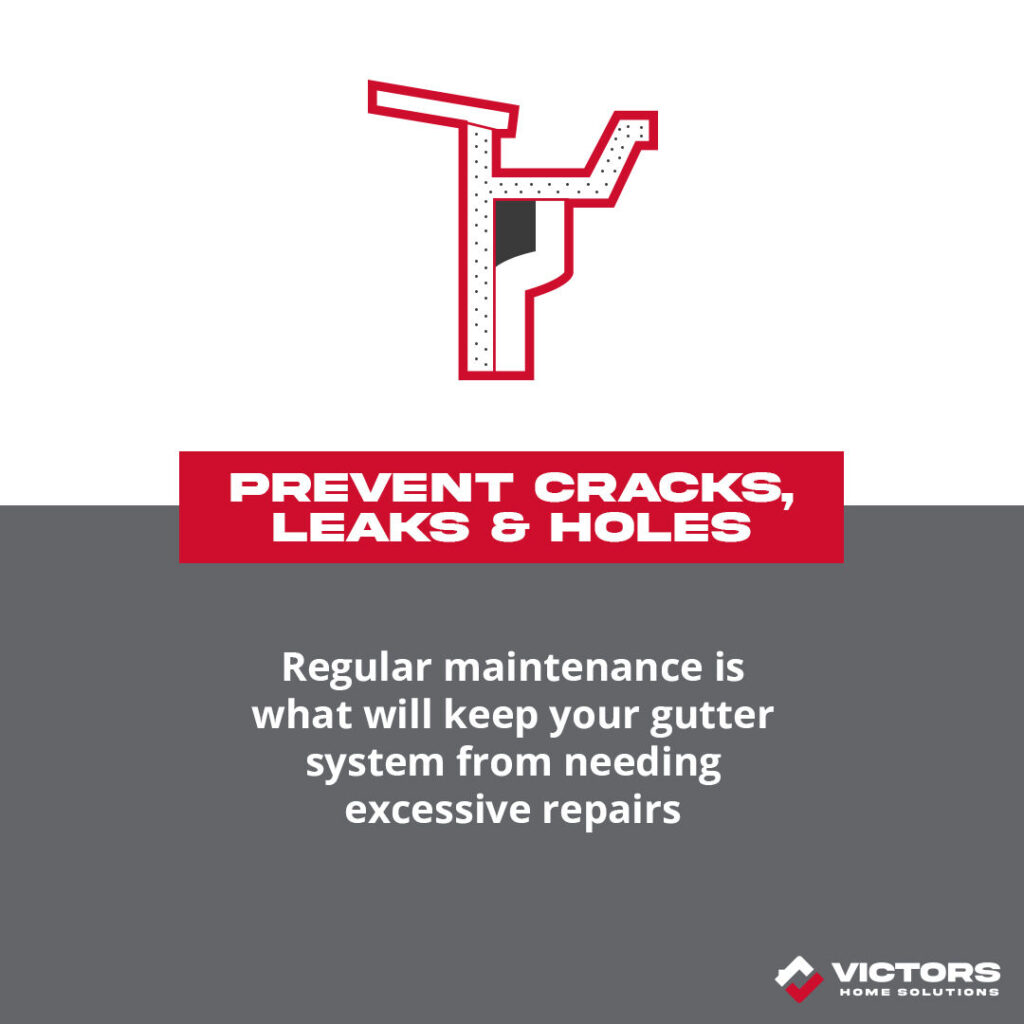

Each of the parts listed above serves its own unique purpose in the full functionality of your rain gutter system. All parts of a gutter system contain mostly the same components, the gutters, downspouts, miters, and end caps. It’s when we get into whether the gutters are seamless or sectional that we reach a decision point.
All Components, Parts, and Pieces of a Gutter System – What They Do
Seamless vs. Sectional Gutters
This decision point is really important, as it helps us to know what gutters are right for our homes and what they are used for. Sectional gutters have been in use since 2500 B.C., it’s funny to think that even that long ago gutters existed. However, their existence makes sense. These types of gutters, sectional gutters, come in 10 to 20 foot long pieces that connect together to form a complete gutter system.
The earliest gutters were made of wood and often designed in a half-round shape, similar to feeding troughs for farm animals. Sectional gutters today are made of vinyl, steel, aluminum, and copper. There is something for any taste or functionality need you may have. Obviously, each comes with its own pros and cons. To name a couple, vinyl gutters are lightweight and can match any roof color under the sun, while steel gutters are more weather-resistant and will last longer in most cases.

Although we’ve just walked through why sectional gutters are a great answer for flexibility in the home and have a ton of options as far as their gutter components and pieces, they do come with their cons, just like with every other product. Often material used can cause issues with the longevity of the gutter themselves, especially at the points where the joints meet. Much like with the human body, the gutters joints are their achilles heel.
With the amazing steel gutters mentioned prior, they tend to rust over time, causing a weakness at the joint which will cause the gutter to fall. The vinyl gutters mentioned above tend to just crack due to wear and tear, age, and weather. Lastly, sectional gutters need to be assembled on site. They aren’t a part of a home gutter system that can be grab and go.
Parts of a Rain Gutter System and their Purpose
Gutter Apron
Gutter aprons are a piece of metal that is installed under the first row of shingles on a roof and extend over the gutter’s front edge. Their purpose is to direct water away from the house and its base, where the roof can mold or the foundation of the home can be damaged.
There are a few different types of gutter aprons, these consist of flat, boxed, and flared. A flat gutter apron is just a simple piece of metal. A boxed gutter apron is a box-like structure that covers the gutters entirely. While a flared gutter apron has a flange that extends over the gutter for extra protection; it’s most similar to a boxed gutter apron.
Downspout
Downspouts are a piece of pipe that carry water vertically from gutters away from a building and into a drainage system. They are important because they help to prevent damage to a home’s roof, siding, foundation, and landscaping. As a rule of thumb, your downspouts should not touch the ground as this could cause a backing up of the pipe and create damage.
End Cap
A gutter end cap is known by a couple different names such as a gutter stop end or a gutter end piece. It’s the part of a gutter system that seals the end of a gutter trough. They’re typically found in the corners where the gutters end on homes.
The end cap’s purpose is to divert water away from the home through the downspout, prevent clogs to your system, and keep debris from leaving a gutter system too quickly.
Elbow
A gutter elbow, also called a guttering angle, is a curved piece of pipe that connects a gutter to a downspout and directs water flow. Gutter elbows are important for keeping water away from a home’s foundation and keeps the corners of the home safe as well.
There are two main types of gutter elbows. These consist of A-style elbows, which have two 72-degree bends and B-style elbows which have one 72-degree bend. Lastly, the majority of gutter elbows are 10 to 12 inches long.
Gutter Guard
Gutter guards are a device that prevents debris from clogging gutter systems. When clogged, these gutter systems can cause water damage to homes. They can also help to prevent rust from forming within a gutter system, improving the life of them.
The types of gutter guards are diverse according to the specifications and needs a home may have. Overhanging hoods are guards specifically designed to use surface tension to keep debris out and bring water in. Screens and micro-mesh systems help to filter small debris from gutters, while surface-tension and reverse-curve gutter guards are directly installed onto the struts that hold the gutters in place.
Gutter Drop
Gutter drops are also known as gutter falls. These are a measurement of how much a gutter drops to allow water to drain towards the downspout. The importance behind this drop and its sloping is to ensure proper drainage, home appearance, and water capacity.
Gutter Hanger
A gutter hanger also known as gutter brackets are a device that attaches gutters to a roof or fascia board. By attaching to these objects, the gutters are meant to be secure and stable. These gutter hangers prevent water damage, extend gutter life, and maintain exterior integrity.
House Gutter Systems: Made of Parts
The parts of a house’s rain gutter system are diverse, but we sincerely hope that after reading this you have a better understanding of the importance of your gutters, their longevity, and the benefits that they can bring to a home.
If there comes a time when you aren’t quite sure about the health, condition, or maintenance of your gutters, it’s important to bring in an expert to do a check-up. Call in an expert like Victors Home Solutions to give your gutters the attention they deserve. With our renowned inspection services, you’ll know exactly what state your gutters are in.