

What is Roof Flashing? What Every Homeowner Should Know
By: Victors Home Solutions
Your roof does more than just keep the rain out—it’s a system of parts working together to protect your home. One key piece of that puzzle is roof flashing. If you’re like many homeowners, flashing might not be something you’ve thought about—until there’s a problem.
Most folks only dig into how their roof is built when there’s a leak or it’s time for a replacement. But knowing what’s up there is a smart move. Your roof is a major investment, and understanding components like flashing can help you keep it in top shape. Here’s a simple breakdown of what flashing is and why it matters.
What Is Flashing?
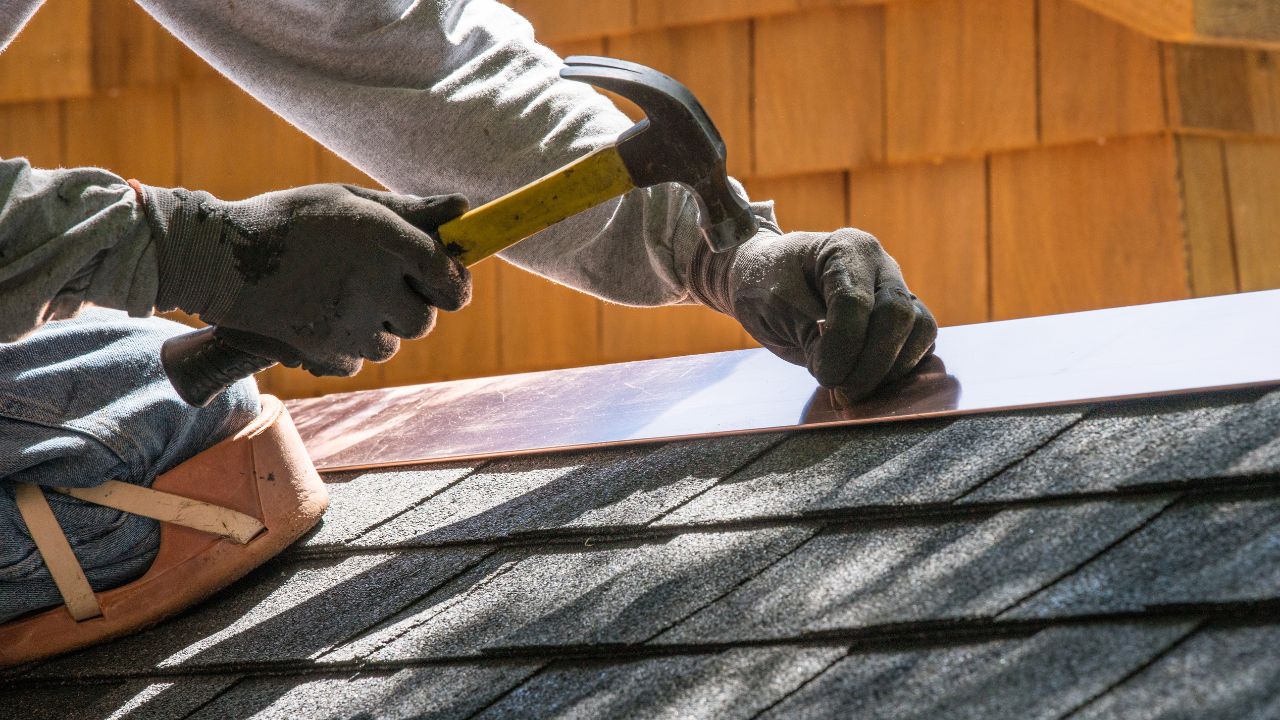
Roof flashing is a water-resistant barrier—usually metal—that roofers install to block moisture from sneaking into the vulnerable spots of your roof. It’s essential during both installations and replacements.
You’ll find flashing around chimneys, skylights, vent pipes, dormers, windows, and any other areas where the roof changes direction or has openings. Roof valleys—those low lines where water flows—also get special attention. The goal? Channel water away from tricky spots and onto the shingles, where it can drain off safely.
Why Flashing Matters
Water damage is a headache no homeowner wants. Flashing acts like a shield, sealing off joints and edges where water might seep in. Without it, even small gaps can lead to big problems—think rotting wood, mold, or structural weakening.
It also helps prevent insect invasions and stops strong winds from lifting shingles or tearing into roof seams. Plus, well-installed flashing adds to your home’s curb appeal, outlining features cleanly and giving your roof a finished, polished look.
Flashing Materials: What’s Best?
Flashing comes in different materials, each with its pros and cons. Metal options—like stainless steel, aluminum, copper, and zinc alloy—are the most common.
Steel (especially galvanized) is tough, corrosion-resistant, and looks sharp—but it’s also pricey. Aluminum is budget-friendly and easy to work with, though it needs a protective coating. Copper? Durable and easy to shape, but it develops a patina over time, which some find less visually appealing.
Rubber and plastic versions, like rubberized asphalt or acrylic, are used in more flexible applications. They’re not as long-lasting as metal, but they can be useful in the right spot. Whatever material you go with, the key is quality installation. Even the best flashing can fail if it’s not installed properly or if cheap materials are used.
Different Types of Flashing
There’s more than one kind of flashing, and each plays a different role:
- Continuous Flashing: Also called apron flashing, it’s a single strip that guides water over roof edges. Built-in expansion joints help it flex with temperature shifts.
- Base Flashing: Typically used around chimneys or dormers. It’s a two-piece system that moves water down and out, while handling the natural expansion and contraction of building materials.
- Step Flashing: This uses overlapping metal pieces—like shingles for water—to steer moisture away from walls and window joints. It’s especially useful on sloped surfaces and dormers.
Other varieties include valley flashing (for low spots), drip edge (roof edges), sill, cap, pipe, and kick-out flashing—each designed to tackle specific roof features.
Final Thoughts
Roof flashing might not be the flashiest part of your home, but it plays a huge role in keeping things dry and damage-free. It’s your roof’s silent defender—working behind the scenes to prevent leaks, rot, and costly repairs.
If your roof needs new flashing—or you’re not sure what condition yours is in—it’s worth calling in the pros.