

What to Do When Winter Weather Strikes
By: Victors Home Solutions
When Winter Weather Puts Your Roof to the Test
Snowstorms and freeze-thaw cycles are hard on any roof, even newer ones. Ice, wind, and heavy snow can expose small weaknesses and turn them into leaks overnight. Knowing how to spot problems early and respond safely can make all the difference.
1. Spot the Warning Signs Quickly
A winter roof emergency often starts subtly. Keep an eye out for:
- Dripping water or stains on ceilings and walls – often the first sign of melting snow sneaking past shingles.
- Bulging drywall or sagging ceilings – indicates trapped moisture and weight buildup.
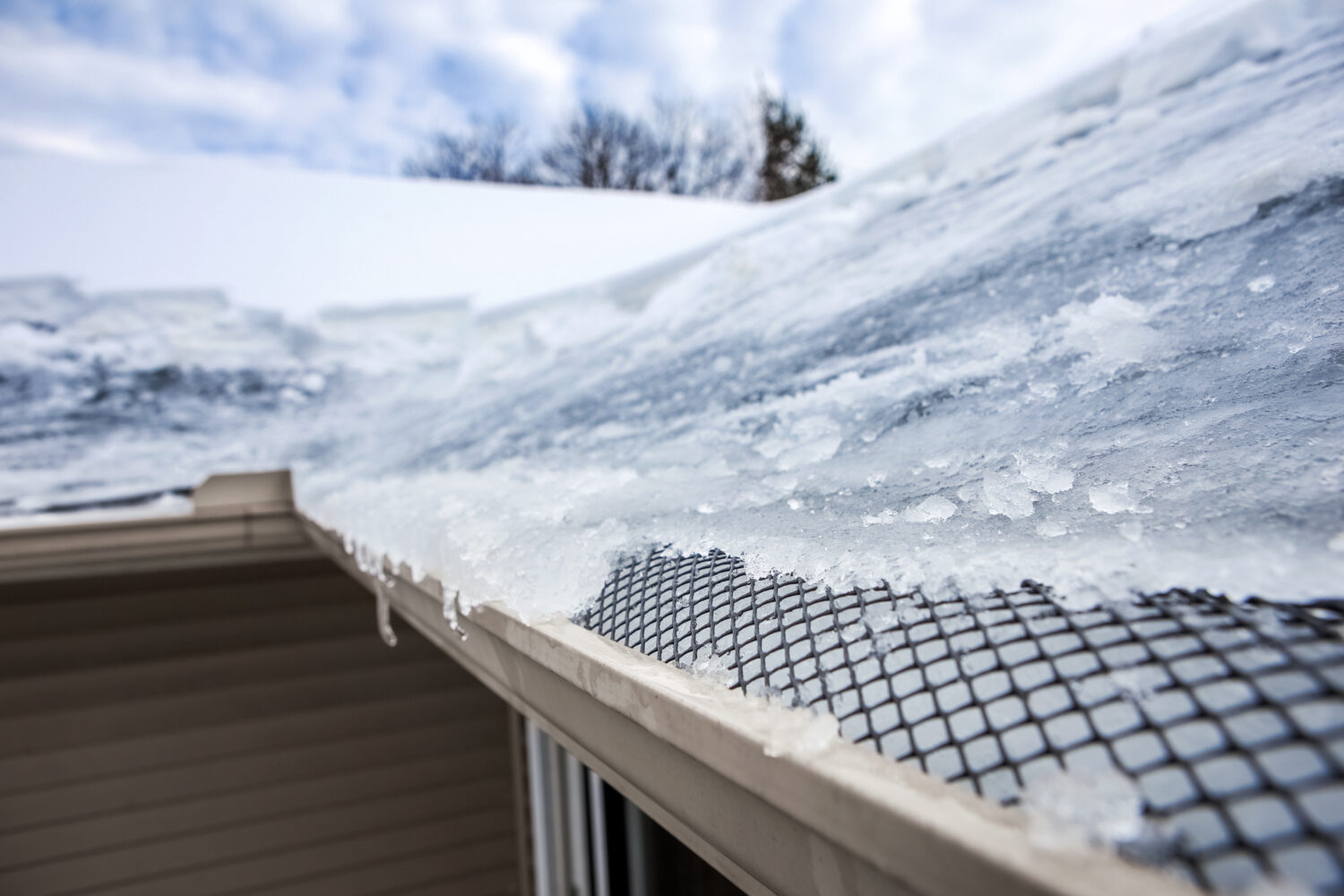
- Ice ridges along your gutters or eaves – can signal an ice dam forming.
- Visible roof damage after high winds – such as missing shingles, lifted flashing, or debris.
If you catch these early, you can often prevent further damage with some quick interim fixes.
2. Minimize Damage Before Help Arrives
Once you’ve identified an issue, your first goal is containment — not full repair.
- Move valuables and furniture away from affected areas.
- Catch active leaks with buckets or containers and change them out as needed.
- Relieve ceiling pressure if water is pooling by carefully puncturing a small hole to let it drain (and prevent collapse).
- Use towels or fans to dry damp areas quickly to avoid mold.
- Clear snow safely from the ground using a roof rake with an extension handle — never climb onto an icy roof.
You can’t always stop a leak, but you can absolutely slow the damage until a professional arrives.
3. Avoid Common Mistakes Homeowners Make
It’s tempting to try quick DIY fixes in a panic — but winter roof issues can be dangerous if handled incorrectly.
- DON’T chip away at ice dams with tools; it can damage shingles.
- DON’T use rock salt on your roof — it corrodes materials and runoff can harm plants.
- DON’T ignore attic leaks, even if they seem small. Water can travel across rafters and appear far from the actual source.
- DON’T delay repairs until spring — temporary fixes can stabilize things safely until a full repair is possible.
4. Call for Professional Emergency Repair
A licensed roofing team can assess the full system safely, even in subzero conditions. When you call Victors Home Solutions for an emergency repair, here’s what happens next:
- Rapid response: We prioritize active leaks and safety risks.
- On-site stabilization: Our technicians will tarp or seal the affected areas to stop water intrusion.
- Damage evaluation: We identify the cause — whether it’s ice damming, flashing failure, or storm impact — and document it for insurance.
- Next steps: We schedule permanent repairs or replacements once weather conditions allow.
This ensures your home stays protected now and properly repaired later.
5. Reduce Future Risk
Once things calm down, take time to prevent repeat issues.
- Schedule a spring roof inspection to check for hidden damage under snowmelt.
- Improve attic insulation and ventilation to minimize ice dam formation.
- Install gutter guards or heat cables if you have recurring freeze issues.
- Trim overhanging branches that drop snow or ice onto your roofline.
Proactive care after a winter event is the best way to strengthen your home for next year.
We’re Here When You Need Us Most
A roof emergency can be stressful, especially in the middle of a Michigan or Ohio winter. But you don’t have to face it alone. Our certified teams are equipped for safe, effective winter repairs that keep your home secure until long-term fixes can be made.
Reach out to Victors for a free inspection
"*" indicates required fields