

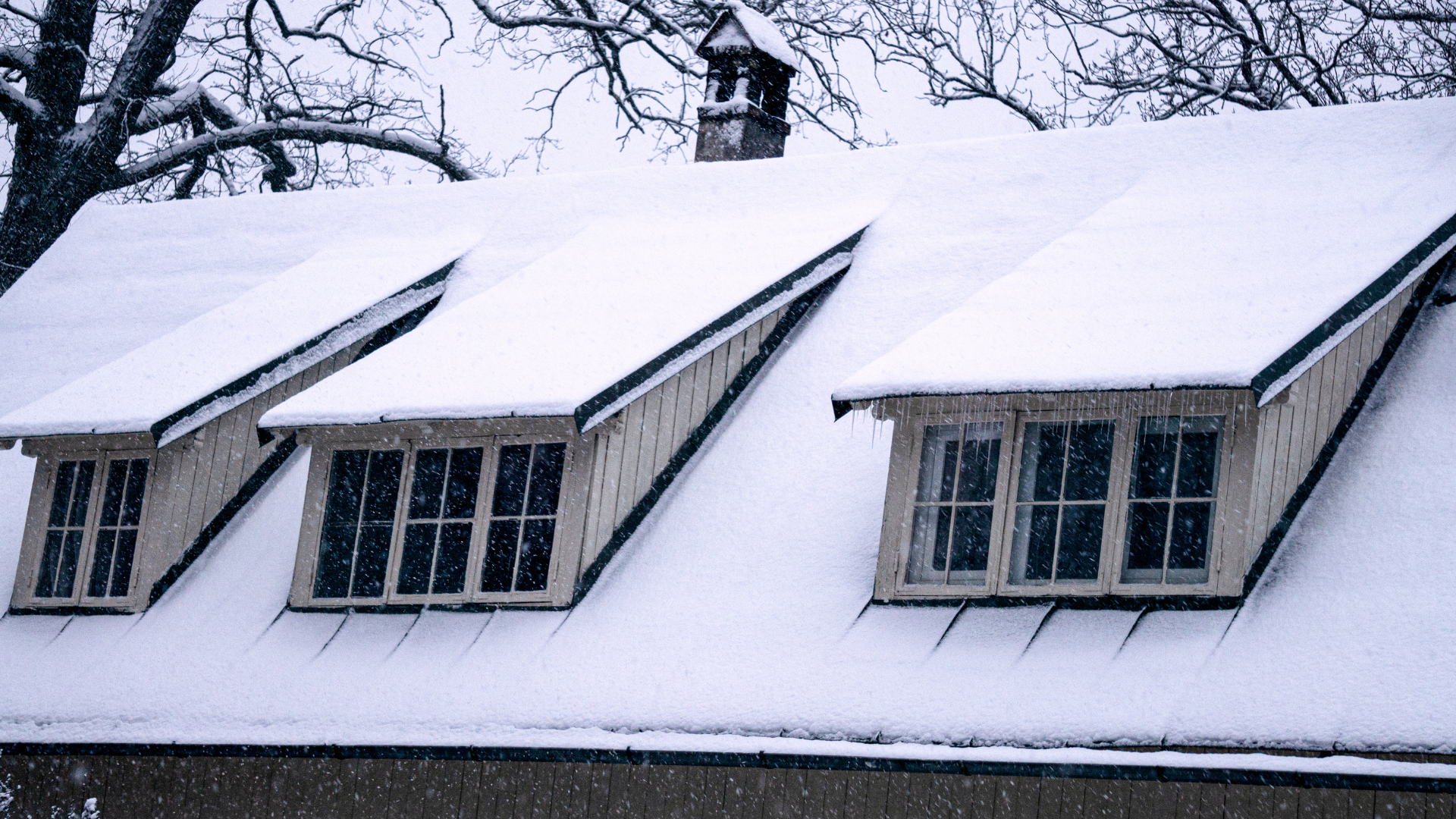
How Ice And Snow Wreck Roofs
By: Victors Home Solutions
Surviving a harsh winter requires grit and perseverance. Finnish people call it “sisu”.
Blizzards. Ice storms. Wintry sleet. Accumulating snow. Freezing temperatures.
Winter weather can be relentless and unforgiving, especially on a home’s roof, as the first line of defense against the elements.
If you own a home and experience harsh winter weather, ask yourself if you understand what types of damage frigid temperatures, snow, and ice can cause to a roof (especially an aging, compromised, or dilapidated one). Knowing the risks helps you prepare an effective strategy to minimize damage to your home and take decisive action if an issue arises.
4 Consequences of the Weight of Snow on Your Roof
Ice Dam Formation
After snow has piled up on your roof, eventually, it begins to melt. In liquid form, snowmelt slides down your roof. However, snowmelt can refreeze and form into ice because winter temperatures fluctuate above and below the freezing point. The newly created dam can cause additional snow and snowmelt to back up.
Roof Leaks/Moisture Intrusion
Snow and ice are moisture in a frozen form. At some point, snow and ice melt. If a roof is secure, snowmelt and water will flow off the roof and safely channel away from the home. However, water may enter the home if penetration points (missing shingles, damaged flashing, etc.) exist and remain unrepaired.
Roof Sag/Collapse
A cubic foot of snow weighs between 1 and 30 pounds. Accumulated snow will have a high density if it contains significant amounts of moisture. This added weight can cause the roofing material to bow against the immense pressure. Eventually, the roof may collapse under continuous stress due to heavy snow.
Structural Damage
Rafters support the roof. As with any construction materials, rafters can handle a certain amount of stress. If the weight exceeds that threshold, the risk of damage increases exponentially. Manufactured from wood, rafters can bend and snap when too much weight in the form of accumulated snow presses against them.
The Freezing And Thawing Cycle: How It Impacts A Roof
Creates Cracks In The Roofing Material
Moisture, in the form of water, makes its way into the tiniest cracks and crevices of roofing materials. Water molecules expand when temperatures drop below the freezing point, freezing into solid form (ice). Ice imposes significant pressure on the roofing materials, forcing destructive cracks into them.
Leaks from Ice Dams
After snow accumulates on the roof, it thaws once outside temperatures rise above freezing or heat escapes from the roof. Snowmelt flows downslope but may refreeze at the eaves, where the roof’s surface is often below freezing—an ice dam forms. Additional snowmelt and new snow may pile up behind the ice dam, push up shingles or flashing, and find their way inside the house. The leaks may not be noticeable right away but are commonly found along exterior walls. If you see water staining on exterior walls, this could be the culprit.
Produces Uneven Spaces Between Shingles
Most construction materials expand and contract in ever-changing weather conditions. These minor expansions and contractions are barely perceptible in most cases. However, in some situations, they have meaningful consequences. Shingles could become unevenly spaced, opening the door to moisture intrusion.
Weakens The Effectiveness Of Flashing
Flashing is metal sheeting designed to seal cracks between roofing materials and roof features, including vents, chimneys, and skylights. The freezing and thawing cycle can loosen flashing. When this event occurs, danger signs lie ahead. Water can easily penetrate through a roof where flashing is not watertight.
3 Ways To Minimize The Adverse Consequences Of Snow And Ice On A Roof
Hire A Professional To De-Ice And Remove Snow
A trained and certified roofing technician understands what deicing and snow removal processes best suit your roof’s specific situation.
Obtain Better Attic Insulation And Ventilation
Preventing heat loss through the attic with more insulation or ventilation is essential to minimizing or eliminating ice dam formation.
Use A Rake To Remove Excess Snow Accumulation
A snow rake is a specialized shovel designed to safely remove excess snow buildup from a roof without crawling on top of the roof. Be advised, however, that using the rake improperly can cause damage to your roof and necessitate expensive repairs.
Hiring A Knowledgeable Roofing Contractor To Address Winter Weather Hazards
If you own a home in the Midwest, you understand harsh winter weather can adversely impact your home’s health and vitality. Snow and ice create problems, such as ice dams and roof sag, that may catastrophically threaten your roofing system’s performance. You need a roofing company with the knowledge and experience to guide you through winter safely.
At Victors Home Solutions, we help homeowners across Michigan, Ohio, and Indiana proactively address winter weather hazards, including snow, ice, and sleet, that compromise their roofs. We provide practical solutions that minimize risks and resolve problems when they occur. Contact us today to learn more about our services or schedule a complimentary consultation.