

Parts of the Roof Frame
By: Victors Home Solutions
Most homeowners know an average home’s top layer includes a roof frame. Few homeowners realize that the roof frame contains intricate components that must work in synchronized harmony for the roof frame to perform optimally. Understanding the essential parts of a roof frame makes it easier to identify problem areas early before these issues multiply into much more severe catastrophes.

Parts Of A Roof Frame
The typical home contains hundreds of boards at the attic level. The aggregation of these boards forms the roof frame. These components, of which there are more than two dozen, can be assessed based on their respective locations and the roles they serve within the attic. To understand how each element of the roof framing functions, we explain the major features in turn from lowest to highest.
Ceiling Joist
Situated directly above the drywall ceiling, this horizontal board runs across the length of each room. Outside walls support each end of a ceiling joist. This timber or metal board plays a crucial role in transferring roof loads to vertical components of a home’s roof.
Attic/Roof Beam
Typically attached to a ceiling joist, a wood or steel attic beam serves as a primary load-bearing component of a roofing system. This vertically attached roof framing element necessitates a thorough understanding of the amount of weight it is expected to support.
Rafter
As a sloped beam running from the eave to the ridge, a rafter provides a foundation for the roof decking and the elements that form the roof’s exterior surface. A contractor lays out each rafter in parallel succession. A rafter’s pitch depends on the roof design.
Purlin
Consisting of a horizontal piece of metal or timber to support the rafters, a purlin helps to prevent a home’s roof from sagging. Contractors normally nail a purlin directly onto a series of rafters. A purlin generally requires the support of bracing to be effective.
Collar Tie/Brace
This horizontal framing element connects two rafters and provides essential structural support. The pulling force exerted by a properly installed collar tie offers the requisite amount of axial tension that reduces or eliminates the risk of wind uplift, especially in high-wind areas. Other braces are also found in most rafter systems that hold the rigid form of the rafters together.
Ridge Board/Beam
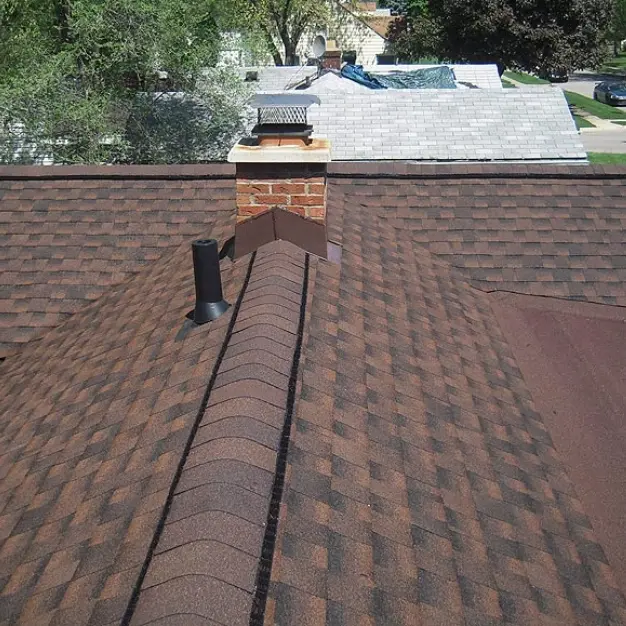
At the very apex of the attic, this horizontal piece of wood, stone, or metal connects each rafter. This framing component is crucial in completing the triangle formation typical of a sloped roofing system. This beam runs the entire length of the roof and all of the rafters are attached to it.
Securing An Expert Analysis Of The Parts Of A Roof Frame
When considering what elements of a roofing system require addressing, choose an expert roofing professional to comprehensively examine the roof frame as part of the overall inspection of the roofing system. For all your roofing needs, including a thorough evaluation of the roofing frame to identify key areas needing fixes, contact Victors Home Solutions today to schedule your no-hassle, free 21-Point Inspection.